
Procurement Guide: Concrete Release Agent Solutions for High-Temperature & Dusty Environments
Under high-temperature climate conditions (above 40°C), construction projects face extremely harsh environmental challenges. High temperatures not only accelerate the hydration process of concrete, but also place very high demands on the physical and chemical stability of release agents. At the same time, suspended particulate matter in dusty environments can easily contaminate the release agent film, leading to honeycombing, surface pitting, and even structural damage on concrete surfaces. This article explores key precautions for using release agents in high-temperature and dusty environments.
1. Impact of High-Temperature Conditions on Concrete Release Agents
1.1
When ambient temperatures exceed 40°C (104°F), the rate of moisture evaporation in concrete increases significantly. This accelerated water loss directly affects the interfacial interaction between the concrete release agent and the cement slurry, increasing the risk of insufficient separation during demolding.
1.2
High temperatures can cause a sharp reduction in the viscosity of concrete release agents, leading to runoff and sagging on vertical formwork surfaces. This results in uneven coating thickness and inconsistent film formation. In addition, elevated temperatures accelerate the evaporation of light components within the release agent, causing the protective oil film—intended to act as a separation layer—to break down prematurely, ultimately compromising demolding performance and concrete surface quality.
2. Impact of Dusty Environments on Concrete Release Agents
2.1
In dusty and sandy environments, airborne particles easily settle on formwork surfaces. During concrete pouring, these sand and dust particles become embedded into the surface layer of the concrete. As a result, the concrete surface after demolding, which should be smooth, often appears rough and uneven.
2.2
Dust particles landing on the release agent film can alter the surface tension of the formwork coating. During concrete vibration and compaction, these impurities frequently become the origin of honeycombing, air voids, and pinholes, leading to defects in concrete surface quality and affecting both appearance and structural integrity.

3.3 Dimensions to Address Demolding Challenges in Dusty and High-Temperature Environments
3.1 Choosing the Right Type of Release Agent
3.1.1 Barrier-Type vs. Chemically Reactive Release Agents
- Barrier-Type Release Agents (e.g., diesel, paraffin oil, silicone oil) work mainly by forming a physical film between the formwork and the concrete, enabling smooth demolding. Their main advantage is low cost, but effective use often requires careful coordination with the construction process.
- Chemically Reactive Release Agents contain active components, typically specific fatty acids, that undergo saponification with the concrete surface. This reaction provides better high-temperature resistance and improved demolding performance, although these agents are generally more expensive.
3.1.2 Selecting Release Agents Based on Formwork Material
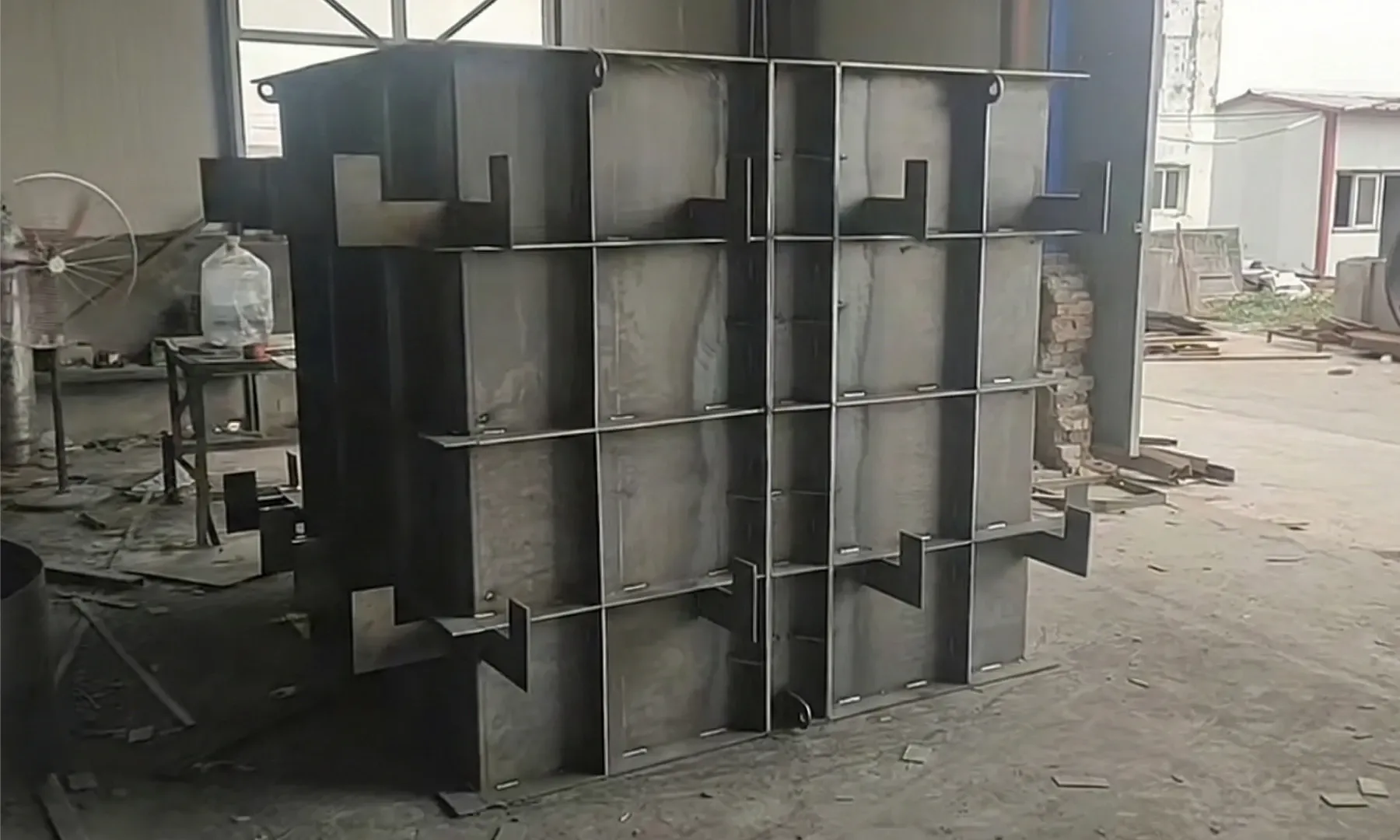
- Steel/Aluminum Formwork: Choose fluorocarbon release agents or oil-based release agents. Fluorocarbon agents offer excellent high-temperature resistance (up to over 300 °C) and anti-adhesion properties, forming a uniform, smooth oily film on steel or aluminum surfaces to effectively prevent concrete from sticking. They are relatively expensive and suitable for high-end construction projects. Oil-based release agents are also suitable for high-temperature applications and provide effective demolding, but care must be taken to avoid oil buildup on the formwork.
- Wood/Plastic Formwork: Choose water-based release agents. Wood tends to absorb oil, while plastic surfaces are extremely smooth. Water-based agents have strong penetration, effectively preventing surface damage, but should be used in combination with proper construction techniques.
3.2 Adjusting Construction Process Details
3.2.1 Adjusting the Dilution Ratio of Concrete Release Agent
Under normal temperature conditions, the water-to-agent ratio is 1:7. In high-temperature environments, it can be adjusted to 1:5 or 1:3. Actual usage should be fine-tuned based on on-site testing.
3.2.2 Reducing Formwork Temperature
Formwork can be cooled using water mist, but ensure the release agent is applied evenly. Additionally, considering the casting time, the temperature difference between the concrete and the formwork should ideally not exceed 25 °C.
3.2.3 Shortening Drying Time
Under normal conditions, concrete is poured 30 minutes after applying the release agent. In high-temperature environments, this can be reduced to 10–15 minutes, allowing immediate concrete pouring.
3.2.4 Avoiding Direct High-Temperature Exposure
After pouring concrete, use shading or insulation materials to cover the formwork, preventing rapid surface water loss due to high temperatures, which can compromise the release agent’s isolation effect.

3.3 Responding to Special Environmental Conditions
3.3.1 Adjusting Construction Timing
Release agents can be applied at night. Spraying the agent when the ambient temperature drops to 30–35 °C helps the film layer form stably and dry evenly.
3.3.2 Enclosing the Construction Area
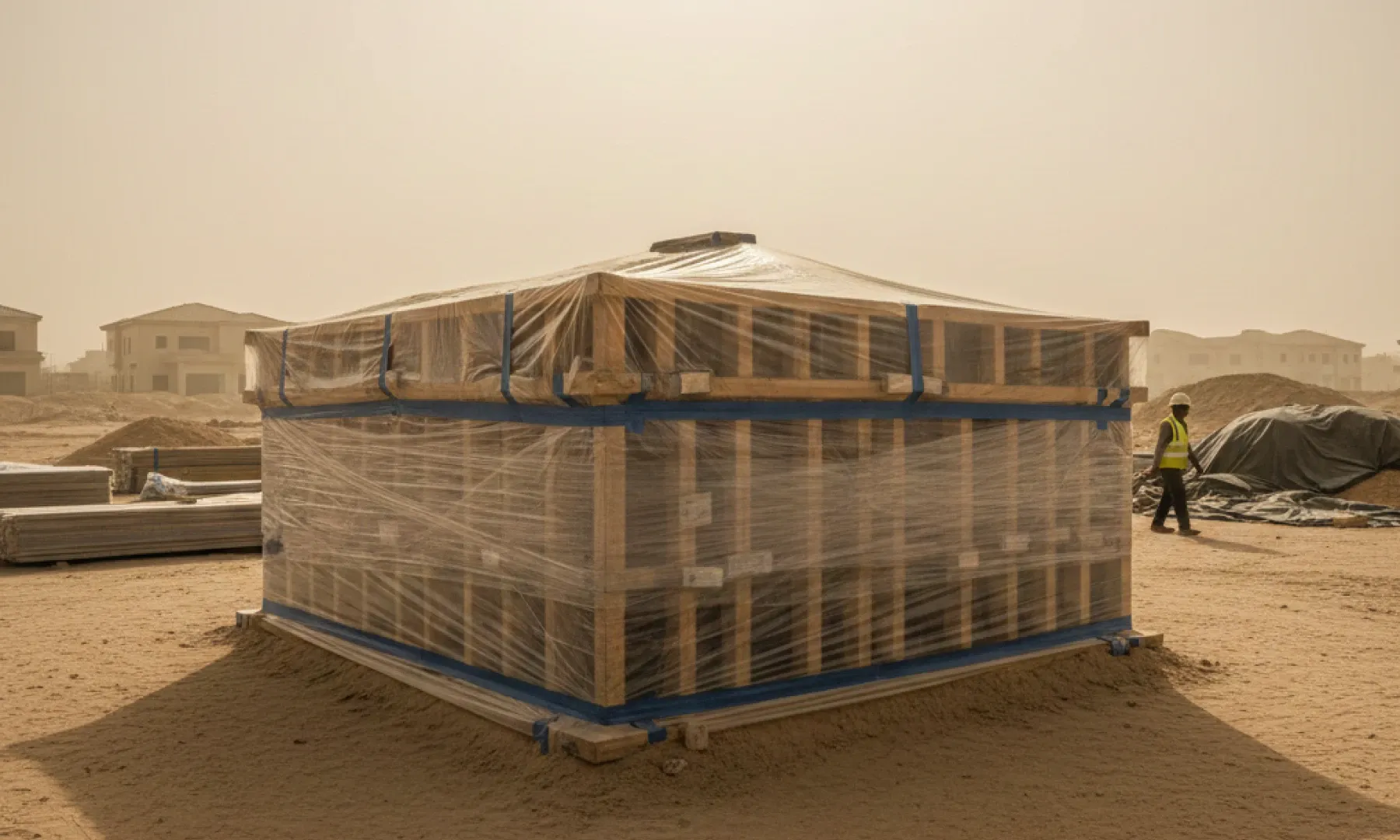
In severe dusty environments, use dust-proof nets or barriers to enclose the construction area and reduce dust intrusion. For outdoor casting, plastic sheets can be placed over the formwork to prevent dust from adhering.
Conclusion
In extreme construction conditions where high temperature and dust coexist, the key to successful concrete demolding lies in flexibility. Construction personnel must go beyond conventional practices by enhancing the physical stability of the release agent (e.g., lowering the dilution ratio, selecting high-temperature resistant fluorocarbon agents) and optimizing the on-site microenvironment (e.g., cooling formwork, scheduling work during cooler periods). Only by integrating the chemical protection of the release agent with physical shielding measures can the loss of the agent’s film due to heat and surface defects caused by dust be effectively prevented, ensuring concrete structures achieve excellent surface smoothness and long-term durability.


