
Demolding Solutions for Complex Concrete Molds(PART 1)
As modern architectural designs become increasingly diverse, complex-shaped (irregular) concrete components are being widely adopted in bridges, curtain walls, and prefabricated buildings. However, due to their intricate geometric boundaries, deep recesses, and non-continuous surface curvatures, the demolding process for these components faces significantly higher mechanical resistance compared to standard molds. Failure in demolding does not only manifest as surface defects like honeycombing, pitting, or edge chipping; it can also cause structural micro-cracks due to localized stress concentration or even lead to permanent mold deformation. Based on our industry expertise, this article analyzes the root causes of these demolding difficulties and provides practical solutions to ensure stable stripping and high-quality finishes.
1. Characteristics of Complex-Shaped Concrete Molds
In the concrete industry, complex-shaped (irregular) molds are defined in contrast to standard, regular formwork. Generally, any mold that lacks a simple geometric form, involves multiple demolding paths, or requires extremely high precision can be classified as a complex-shaped mold.
1.1 Intricate Geometric Structures
Unlike common square, rectangular, or cylindrical molds, complex-shaped molds often feature:
- Single-curvature, double-curvature, or irregular free-form surfaces
Smooth transitions that require high-precision machining. - Variable cross-sections
Structural dimensions that change along the length of the component. - Complex details
Deep recesses, undercuts, back-tapers, and intricate chamfers.
These geometric features significantly increase the contact surface area and mechanical interlocking force between the concrete and the mold, greatly raising the difficulty of the stripping process.

1.2 Presence of Reverse Demolding Structures
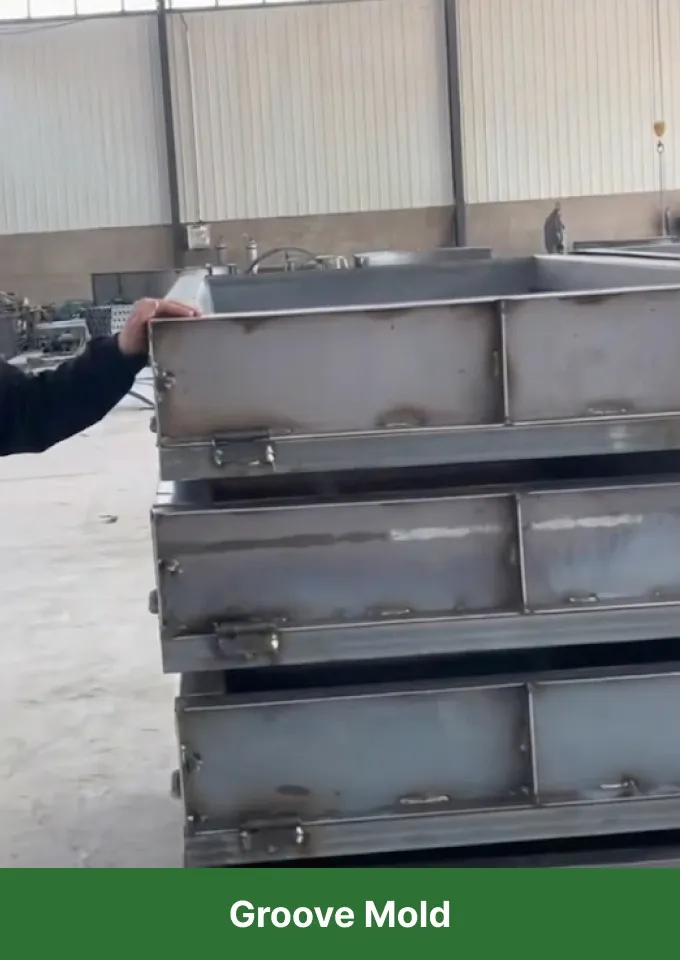
A mold is typically classified as complex-shaped when it incorporates features that prevent a simple, linear extraction:
- Undercuts, recesses, and concealed grooves
Structures that cannot be demolded along a single straight axis. - Multi-directional or segmented stripping
Requires the mold to be disassembled in multiple directions or stages. - Dependence on specialized inserts
Relies on removable, collapsible, or flexible inner cores to complete the stripping process.
These structures place extreme demands on the performance of the release agent and the precision of the construction process.
1.3 High Surface Texture and Aesthetic Requirements
Many irregular concrete components serve architectural purposes and require specific finishes, such as:
- Fair-faced concrete (architectural concrete)
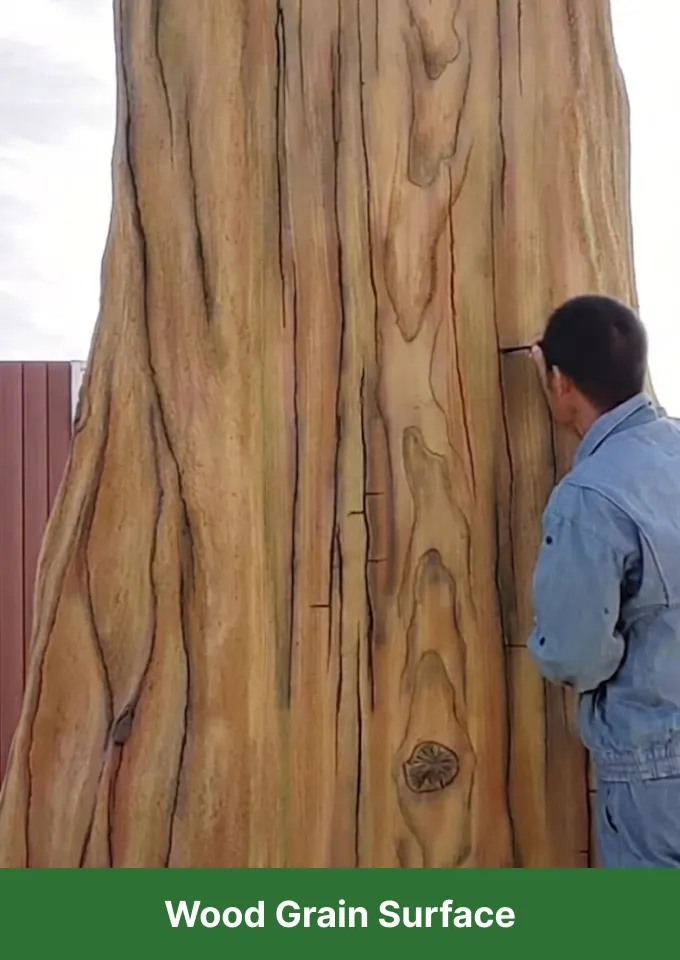
Smooth, uniform surfaces without additional coating. - Textured surfaces
Mimicking natural stone, wood grain, or decorative patterns. - High gloss or low porosity finishes
Surfaces that must be free of pinholes and blemishes.
Such molds are highly sensitive to the uniformity of the release agent film and any residual buildup, making them classic high-difficulty demolding scenarios.
1.4 Specialized Materials or Complex Assemblies
Molds are often categorized as complex when they use hybrid materials or advanced composites:
- Steel shells with rubber inserts
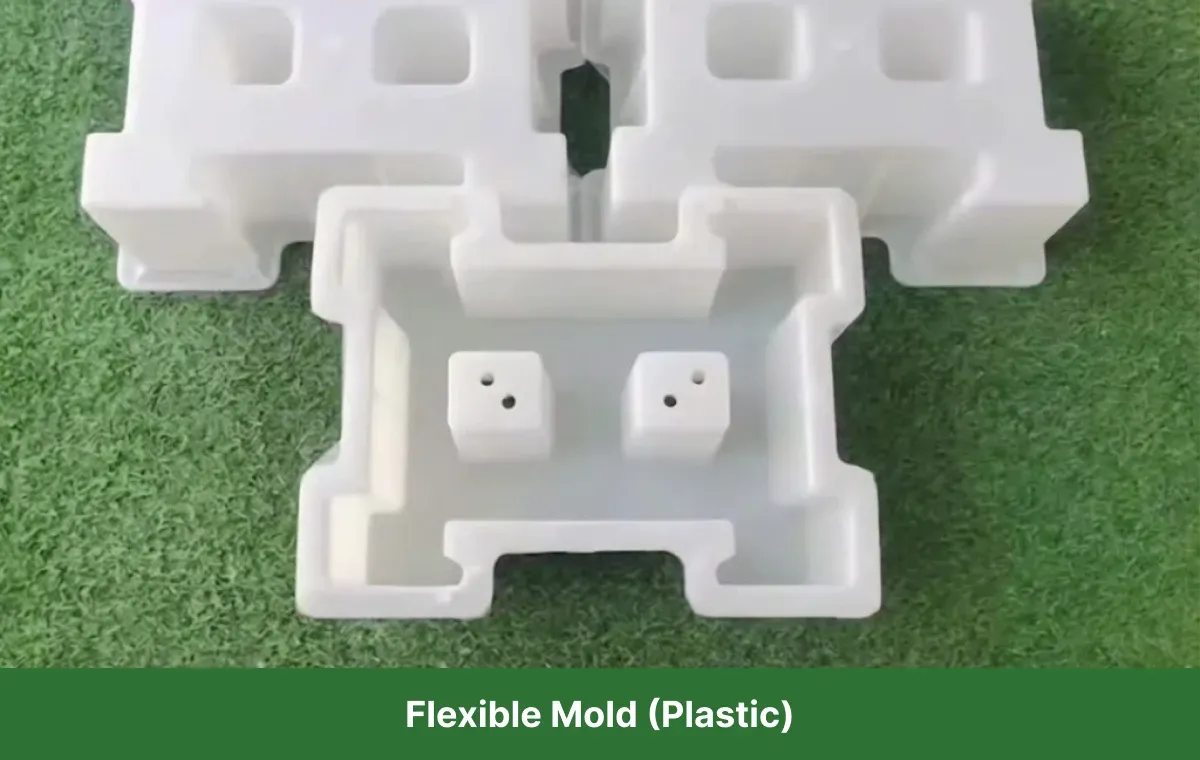
Combining rigidity with flexibility. - FRP (fiberglass), silicone, or PU (polyurethane) flexible molds
Used for highly intricate details. - Multi-material composite molds
Hybrid assemblies where different materials meet.
Significant differences in surface energy between materials result in inconsistent demolding behavior, further increasing the risk of failure.

1.5 Stringent Production and Site Requirements
Even if a mold appears geometrically simple, it is professionally treated as a complex-shaped mold if it exhibits:
- High demolding failure rates
Prone to sticking or surface damage. - High sensitivity to release agents
Requires a specific formula to function correctly. - Strict process control
Precise control over coating thickness, curing time, and stripping sequence.
Features of Irregular Molds
| Feature | Technical Description | Technical Requirements |
|---|---|---|
| Complex Geometric Structures | Double-curved surfaces, free-form shapes, variable cross-sections, intricate grooves and chamfers | Increased contact area and mechanical interlocking, resulting in significantly higher demolding resistance |
| Specialized Stripping Designs | Undercuts, internal recesses, hidden slots, multi-directional or split-mold dismantling, flexible or removable cores | Prevents linear stripping; demands high-performance release agents and precise dismantling techniques |
| High Decorative Surface Requirements | Fair-faced concrete, high gloss, low porosity, wood-grain or stone textures | Extremely sensitive to release film uniformity; zero residue or staining allowed |
| Specialized Mold Materials | Steel + rubber/silicone composites, FRP molds, multi-material assemblies | Surface energy differences cause inconsistent release behavior and compatibility challenges |
| High Construction Sensitivity | High failure rates; strict control of application volume, curing time, and stripping sequence | Requires precise operation with minimal tolerance for error |
2. Primary Causes of Demolding Challenges in Complex-Shaped Molds
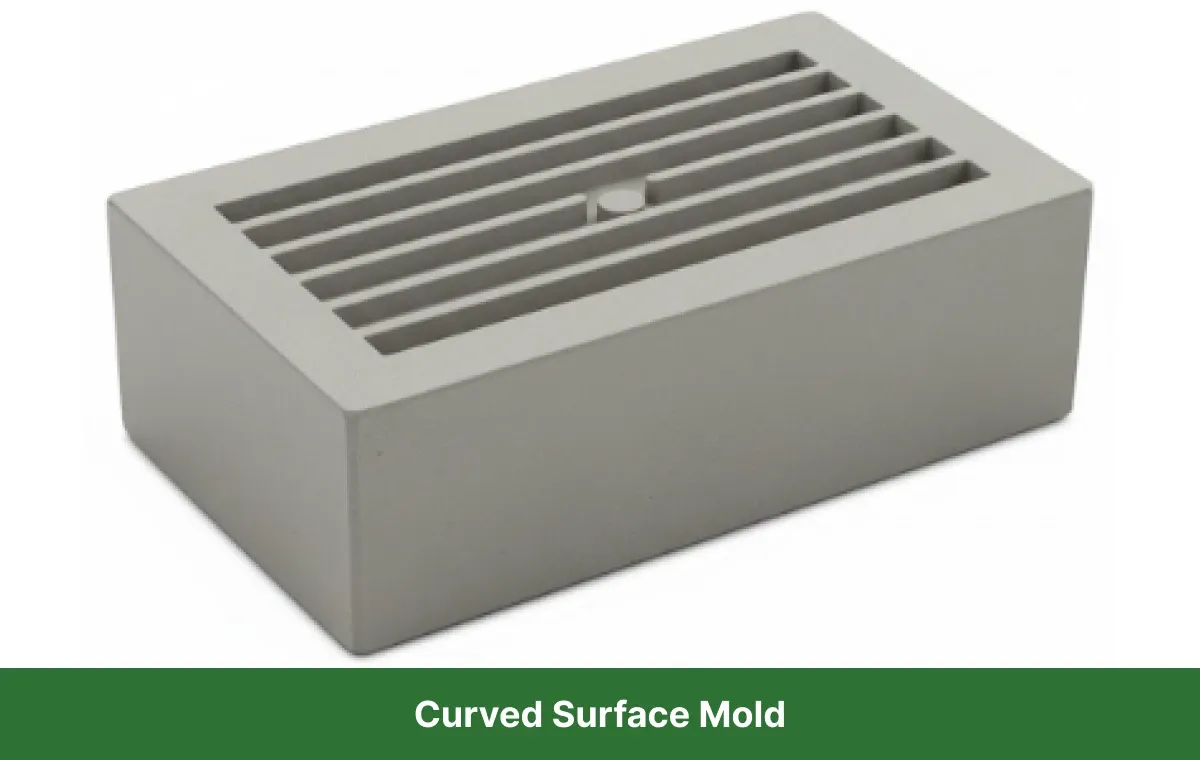
2.1 Mold Design Issues
Demolding difficulties often originate from flaws in the initial mold design:
- Excessive mechanical interlocking
Deep grooves, sharp angles, and undercuts significantly increase contact area and mechanical grip, greatly raising demolding resistance. - Insufficient draft angles
Vertical sidewalls should typically have a draft angle of 1°–3°. Without proper tapering, hardened concrete becomes wedged or locked inside the mold. - Material rigidity and deformation
- Steel molds: Insufficient rigidity may lead to micro-deformation under pouring and vibration pressure, trapping the component.
- Flexible molds (rubber, PU, silicone): Inconsistent elastic rebound can create localized gripping, increasing stripping difficulty.
2.2 Improper Selection of Release Agents and Surface Treatment
Release agent choice and application directly determine stripping success:
- Incorrect product selection
Traditional oil-based agents used on architectural or decorative concrete often cause discoloration, oil stains, or secondary contamination. - Poor application and film formation
Uneven spraying or incomplete film formation leads to localized sticking, especially at sharp corners, deep grooves, and vertical surfaces. - Inadequate mold preparation
Residual cement slurry, old release agents, or excessive surface roughness increase friction and can rupture the release film, resulting in demolding failure.
2.3 Issues with Concrete Mix Design and Pouring Techniques
Concrete properties play a critical role in demolding behavior:
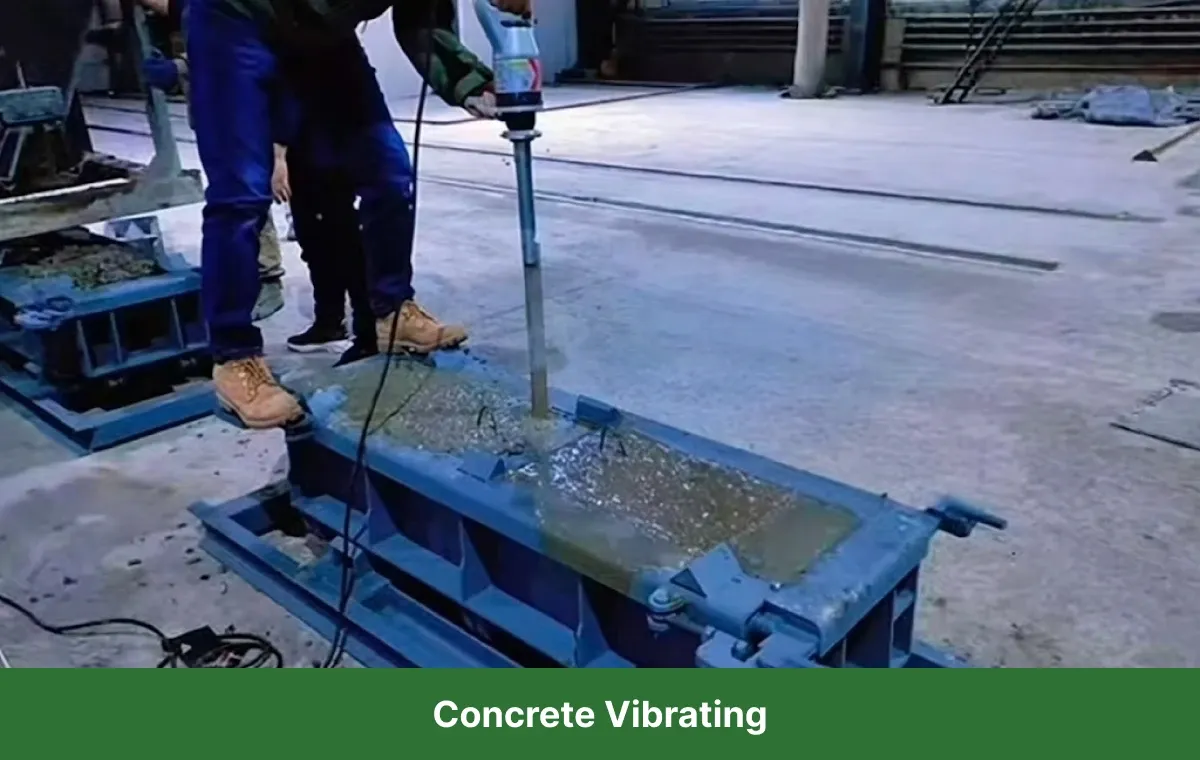
- Improper mix proportions
Low water-cement ratios, high cement content, poor aggregate grading, or excessive fine aggregates increase cohesion and adhesion to the mold surface. - Improper vibration techniques
- Under-vibration: Leaves air voids and honeycombing at the mold interface.
- Over-vibration: Causes bleeding and cement paste accumulation on the surface, increasing bond strength and demolding resistance.
2.4 Improper Timing and Execution of Demolding
Even with proper preparation, poor stripping operations can lead to failure:
- Demolding too early
Insufficient green strength leads to edge chipping, spalling, or tensile cracking. - Demolding too late
Continued hydration increases bond strength, making extraction significantly harder. - Improper stripping methods
Forceful hammering or improper leverage often causes surface damage or structural defects. For complex-shaped molds, specialized equipment—such as vibrators, ejectors, or staged dismantling systems—is essential.

Marco Zhang
Co-founder & Product Engineer at Yunzhu
Identifying the right release agent shouldn't be a gamble. With 7+ years in chemical engineering, I help manufacturers in Concrete, PU, and Composites industries eliminate air bubbles and sticking issues. At Yunzhu New Materials, we don't just sell chemicals; we provide demolding solutions. We specialize in: 1.Water-based Concrete Release Agents (Eco-friendly & High Gloss) 2.Carbon Fiber & Composite Solutions 3.Custom formulation for specific temperature/mold requirements I bridge the gap between Chinese manufacturing efficiency and global quality standards. Whether you need a free sample test or technical advice on mold maintenance, feel free to reach out.
View LinkedIn Profile